
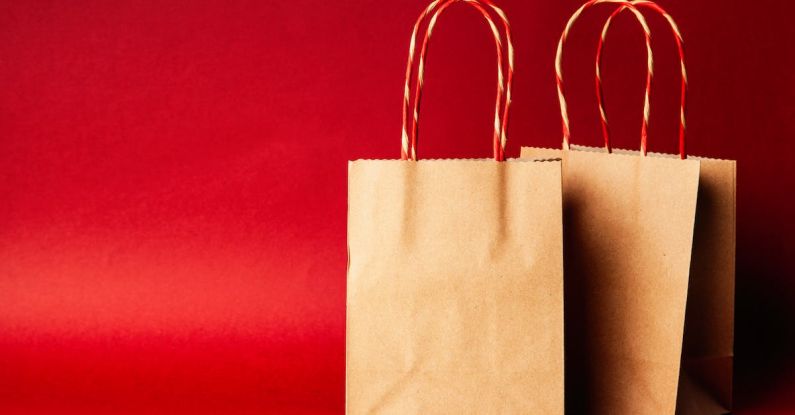
In today’s world, where sustainability is becoming increasingly important, it is essential to make conscious choices when it comes to shopping for packaging materials. Eco-friendly packaging not only helps protect our environment but also promotes a positive image for businesses that value sustainability. If you’re looking to shop for eco-friendly packaging, here are some tips to help you make the right choices.
Consider the Material
When it comes to eco-friendly packaging, the choice of material plays a crucial role. Look for packaging materials that are biodegradable, recyclable, or made from renewable resources. Avoid materials such as plastic or Styrofoam, which are harmful to the environment and take years to decompose. Instead, opt for materials like paper, cardboard, or plant-based plastics, which have a lower environmental impact.
Choose Minimalist Designs
Another important factor to consider when shopping for eco-friendly packaging is the design. Look for minimalist designs that use less material and produce less waste. Packaging that is simple, compact, and efficient not only reduces the amount of packaging material used but also minimizes the carbon footprint associated with transportation and storage.
Look for Sustainable Certifications
To ensure that the packaging you purchase is truly eco-friendly, look for sustainable certifications. Certifications such as FSC (Forest Stewardship Council) or PEFC (Programme for the Endorsement of Forest Certification) indicate that the packaging materials come from responsibly managed forests. Similarly, certifications like the Green Seal or the EcoLogo signify that the packaging meets specific environmental standards.
Consider the Life Cycle
When shopping for eco-friendly packaging, it is important to consider the entire life cycle of the product. This includes not only the production and use of the packaging but also its disposal. Look for packaging materials that have a lower carbon footprint and can be easily recycled or composted. By choosing packaging that can be reused or repurposed, you can further extend its life cycle and reduce waste.
Opt for Local Suppliers
Choosing local suppliers for your packaging needs can have a significant impact on reducing your carbon footprint. By sourcing packaging materials from nearby manufacturers, you can minimize transportation distances and support local businesses. Additionally, local suppliers are often more knowledgeable about sustainable practices and can provide valuable guidance on eco-friendly packaging options.
Consider the Cost
While eco-friendly packaging may sometimes come at a higher cost, it is important to consider the long-term benefits. Investing in sustainable packaging can help reduce waste, improve brand image, and attract environmentally conscious customers. Additionally, some eco-friendly packaging options, such as bulk packaging or reusable containers, can actually help save costs in the long run.
Educate Your Customers
Once you have chosen eco-friendly packaging for your products, it is important to educate your customers about its benefits. Use labels or marketing materials to highlight the sustainable features of your packaging and explain how it aligns with your brand’s values. By raising awareness among your customers, you can encourage them to make more eco-friendly choices and support your efforts towards sustainability.
In conclusion, shopping for eco-friendly packaging requires careful consideration of the material, design, certifications, life cycle, and cost. By choosing materials that are biodegradable or recyclable, opting for minimalist designs, looking for sustainable certifications, considering the entire life cycle of the product, selecting local suppliers, and educating your customers, you can make a positive impact on the environment while promoting your brand’s commitment to sustainability. Remember, every small step counts towards a greener future.