Educational toys do much more than keep children entertained. The best ones encourage curiosity, creativity, problem-solving, communication, and independent thinking while making learning enjoyable. Whether you’re buying a birthday present, holiday gift, or classroom resource, choosing age-appropriate educational toys can support a child’s development for years to come.
Here’s how to choose educational toys that combine fun with meaningful learning.
What Makes a Toy Educational?
An educational toy should encourage children to actively explore, experiment, and think rather than simply press buttons or watch lights flash.
Look for toys that help develop:
- Problem-solving skills
- Creativity
- Fine motor skills
- Gross motor skills
- Language development
- Memory
- Logical thinking
- Social skills
- Emotional intelligence
- Imagination
The best educational toys often allow children to play in multiple ways as they grow.
Best Educational Toys by Age
Babies (0–12 Months)
At this stage, sensory exploration is key.
Good choices include:
- Soft sensory balls
- High-contrast picture cards
- Fabric books
- Stacking rings
- Activity gyms
- Shape sorters
- Musical toys with gentle sounds
These toys support visual tracking, grasping, and early motor development.
Toddlers (1–3 Years)
Toddlers learn through movement and exploration.
Popular educational toys include:
- Wooden blocks
- Shape sorters
- Push-and-pull toys
- Large puzzles
- Pretend kitchen sets
- Musical instruments
- Ride-on toys
These encourage coordination, language, and imaginative play.
Preschoolers (3–5 Years)
Preschool children begin developing early academic skills.
Excellent options include:
- Alphabet games
- Counting toys
- Magnetic building tiles
- Beginner science kits
- Play cash registers
- Construction sets
- Matching games
These introduce literacy, numeracy, and basic scientific thinking.
School-Age Children (6–9 Years)
Children become more interested in challenges and projects.
Great educational gifts include:
- STEM building kits
- Robotics sets
- Strategy board games
- Globe puzzles
- Art kits
- Beginner coding games
- Crystal-growing science kits
Hands-on learning remains especially valuable.
Older Children (10+ Years)
Older children often enjoy more advanced learning experiences.
Ideas include:
- Electronics kits
- Programming robots
- Chemistry experiments
- Astronomy telescopes
- Advanced board games
- 3D puzzles
- Engineering construction kits
These encourage independent learning and critical thinking.
Best Types of Educational Toys
Building Toys
Building toys remain among the most versatile educational gifts.
Benefits include:
- Creativity
- Spatial reasoning
- Engineering concepts
- Fine motor skills
- Planning
Popular options include wooden blocks, magnetic tiles, and construction sets.
STEM Toys
STEM (Science, Technology, Engineering, and Mathematics) toys encourage experimentation.
Examples include:
- Coding robots
- Circuit kits
- Microscope sets
- Engineering projects
- Physics experiments
These build analytical thinking and problem-solving skills.
Puzzles
Puzzles strengthen:
- Concentration
- Patience
- Visual reasoning
- Memory
- Fine motor coordination
Difficulty should match the child’s developmental stage.
Board Games
Educational board games teach:
- Turn-taking
- Strategy
- Decision-making
- Communication
- Teamwork
Many games also strengthen math, vocabulary, and reasoning skills.
Arts and Crafts
Creative activities develop:
- Imagination
- Hand-eye coordination
- Planning
- Self-expression
Examples include:
- Drawing kits
- Clay modeling
- Watercolor sets
- Jewelry making
- Sewing kits
Pretend Play
Role-playing helps children understand the world around them.
Popular pretend-play toys include:
- Doctor kits
- Grocery stores
- Tool benches
- Dollhouses
- Puppet theaters
These support language, empathy, and social development.
Musical Toys
Music improves:
- Listening skills
- Rhythm
- Memory
- Coordination
- Creativity
Simple keyboards, drums, xylophones, and ukuleles make excellent educational gifts.
Screen-Free Educational Toys
Many parents prefer toys that don’t require screens.
Excellent screen-free options include:
- Wooden puzzles
- Building blocks
- Card games
- Craft kits
- Outdoor exploration sets
- Gardening tools
- Nature journals
These encourage imagination and active participation.
Montessori-Inspired Toys
Montessori toys emphasize independent learning through simple, purposeful materials.
Common examples include:
- Wooden stacking toys
- Practical life tools
- Balance boards
- Sorting trays
- Lacing activities
- Counting beads
They encourage concentration and self-directed exploration.
Educational Gifts by Budget
Under $25
Affordable ideas include:
- Flash cards
- Small puzzles
- Storybooks
- Sidewalk chalk
- Magnetic letters
- Card games
$25–50
Excellent choices include:
- Beginner science kits
- Wooden building blocks
- Board games
- Art supplies
- STEM activity boxes
$50–100
This budget allows for:
- Coding robots
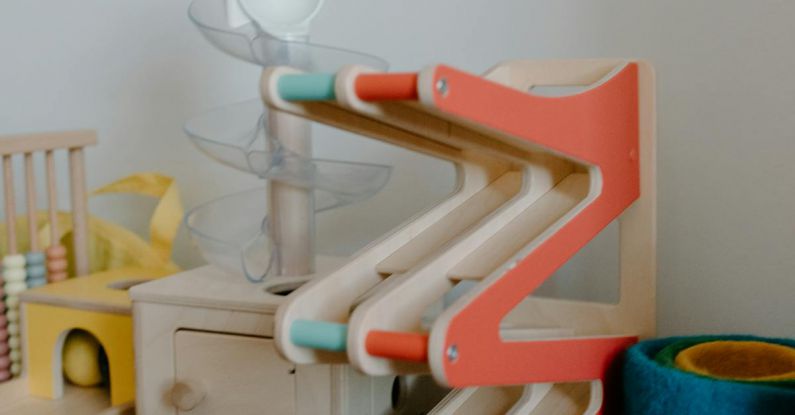
- Marble runs
- Microscope kits
- Magnetic construction sets
- Advanced craft kits
Over $100
Premium educational gifts include:
- Telescopes
- High-quality robotics kits
- Musical instruments
- Large engineering sets
- Digital microscopes
Safety Considerations
Always choose toys that are:
- Age appropriate
- Free of toxic materials
- Durable
- Easy to clean
- Properly certified for safety
Avoid small parts for young children and always supervise age-sensitive activities.
What Are the Creative Low-budget Birthday Presents?
Frequently Asked Questions
What is the best educational toy overall?
Building toys consistently rank among the best because they support creativity, engineering skills, and problem-solving across many age groups.
Are STEM toys worth buying?
Yes. Quality STEM toys encourage curiosity, experimentation, and logical thinking while making science and technology enjoyable.
Should educational toys always teach academic subjects?
No. Social skills, creativity, emotional intelligence, and physical coordination are equally valuable learning outcomes.
Are screen-free toys still beneficial?
Absolutely. Many of the most effective educational toys require imagination and hands-on interaction rather than digital screens.
How many educational toys should a child have?
Quality matters more than quantity. A small collection of versatile, open-ended toys often provides more learning opportunities than dozens of highly specialized products.
Final Thoughts
The best educational toys inspire children to explore, ask questions, solve problems, and create. Whether it’s a set of wooden blocks, a science experiment kit, a strategy board game, or a coding robot, the most valuable gifts encourage active participation rather than passive entertainment. By choosing toys that match a child’s age, interests, and developmental stage, parents and gift-givers can support learning while creating experiences that remain enjoyable long after the excitement of opening the gift has passed.