

Creating a home theater system that delivers high-quality audio and video experiences doesn’t have to break the bank. With some careful planning and smart choices, it is entirely possible to build a budget-friendly home theater system that rivals the performance of more expensive setups. In this article, we will explore the key components of a home theater system and provide tips for building one on a budget.
Choosing the Right Display
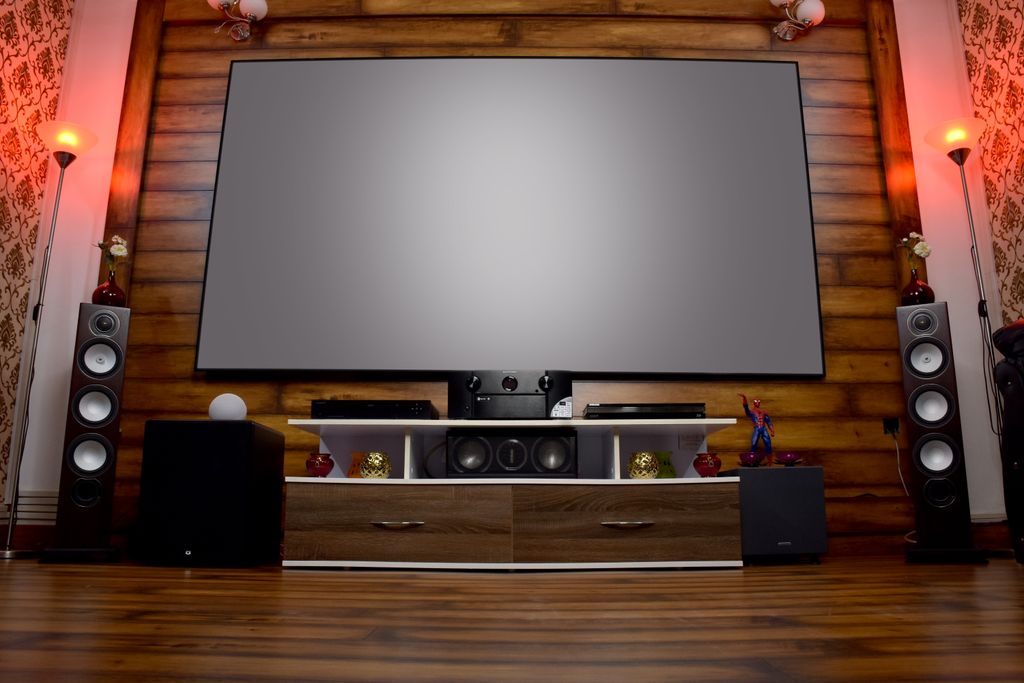
The centerpiece of any home theater system is the display. When it comes to budget-friendly options, there are a few routes you can take. One option is to go with a high-definition (HD) television that offers good picture quality without breaking the bank. Another option is to consider a projector and screen setup. While projectors can be more affordable upfront, keep in mind that they may require regular maintenance, such as replacing bulbs.
Enhancing Audio Performance
To truly immerse yourself in the cinematic experience, investing in quality audio equipment is essential. One way to achieve this without spending a fortune is by opting for a soundbar. Soundbars are compact, affordable, and deliver an impressive soundstage. They are easy to set up and offer a significant improvement over built-in TV speakers.
Another option for budget-conscious buyers is a receiver and speaker package. Look for entry-level models that offer decent power output and connectivity options. Paired with a set of bookshelf or floor-standing speakers, this setup can deliver immersive surround sound without breaking the bank.
Smart Streaming Options
With the rise of streaming services, having a smart TV or a media streaming device is crucial for accessing your favorite content. Many budget-friendly options are available, including streaming sticks, boxes, and gaming consoles that support popular streaming apps. These devices often come with built-in Wi-Fi and support for high-definition streaming, making them a cost-effective choice for adding smart functionality to your home theater system.
Seating and Lighting Considerations
Creating a comfortable and visually immersive space is an important aspect of any home theater. While high-end theater seats and specialized lighting can be luxurious, they are not always budget-friendly. However, there are alternatives that can provide a similar experience without the hefty price tag.
Consider repurposing existing furniture, such as couches or recliners, to create comfortable seating. Adding blackout curtains or blinds can help control ambient light, enhancing the viewing experience. Additionally, using dimmable LED lights or smart lighting solutions can allow you to set the mood without breaking the bank.
The Importance of Wiring and Connectivity
Proper wiring and connectivity are often overlooked but are crucial for a seamless home theater setup. Investing in good-quality HDMI cables and speaker wires is essential to ensure optimal performance. Avoid overly expensive cables, as they rarely provide noticeable improvements in audio or video quality compared to more reasonably priced options.
Additionally, consider the placement of your devices to minimize cable clutter and optimize signal quality. Utilize cable management solutions, such as cable clips or raceways, to keep wires organized and out of sight.
Decide What Matters Most
A great home theater doesn’t have to include the most expensive equipment. Start by identifying what you value most.
For example:
- Movie watching
- Sports
- Gaming
- Music
- Family entertainment
- Streaming services
Your priorities will help determine where your budget should be spent. Movie enthusiasts may prefer better speakers, while gamers may benefit more from a high-refresh-rate display.
Consider Buying Refurbished Equipment
One of the easiest ways to reduce costs is by purchasing certified refurbished electronics.
Many refurbished products include:
- Manufacturer warranties
- Professional inspection
- Factory testing
- Significant discounts
Receivers, speakers, streaming devices, and televisions often provide excellent value when purchased refurbished.
4K Is the Sweet Spot for Most Buyers
While 8K televisions are available, most streaming services, Blu-ray discs, and gaming consoles continue to focus on 4K content.
For most households, investing in a quality 4K display with:
- HDR support
- Good brightness
- Wide color coverage
- Local dimming
- HDMI 2.1 connectivity
will provide a better experience than spending more on an entry-level 8K television.
Don’t Ignore HDR Performance
Picture quality depends on more than resolution.
A television with strong HDR performance often delivers:
- Better contrast
- More realistic highlights
- Richer colors
- Improved shadow detail
When comparing displays, pay attention to HDR formats such as HDR10, HDR10+, Dolby Vision, and HLG, along with brightness performance.
Upgrade Your Audio Before Your TV
Many people spend most of their budget on the television while ignoring audio.
In reality, upgrading from built-in TV speakers to even an affordable sound system often creates a much bigger improvement.
Options include:
- Soundbars
- 2.1 speaker systems
- 5.1 surround sound packages
- Dolby Atmos-enabled systems
Good sound dramatically increases immersion when watching movies or playing games.
Streaming Devices Offer Excellent Value
Dedicated streaming devices frequently receive software updates longer than many smart TVs.
Popular options typically support:
- 4K streaming
- HDR content
- Dolby Vision
- Dolby Atmos
- Voice control
- Screen casting
- Gaming services
If your television’s built-in software becomes outdated, an external streaming device can extend its useful life at a relatively low cost.
Room Acoustics Matter More Than Expensive Speakers
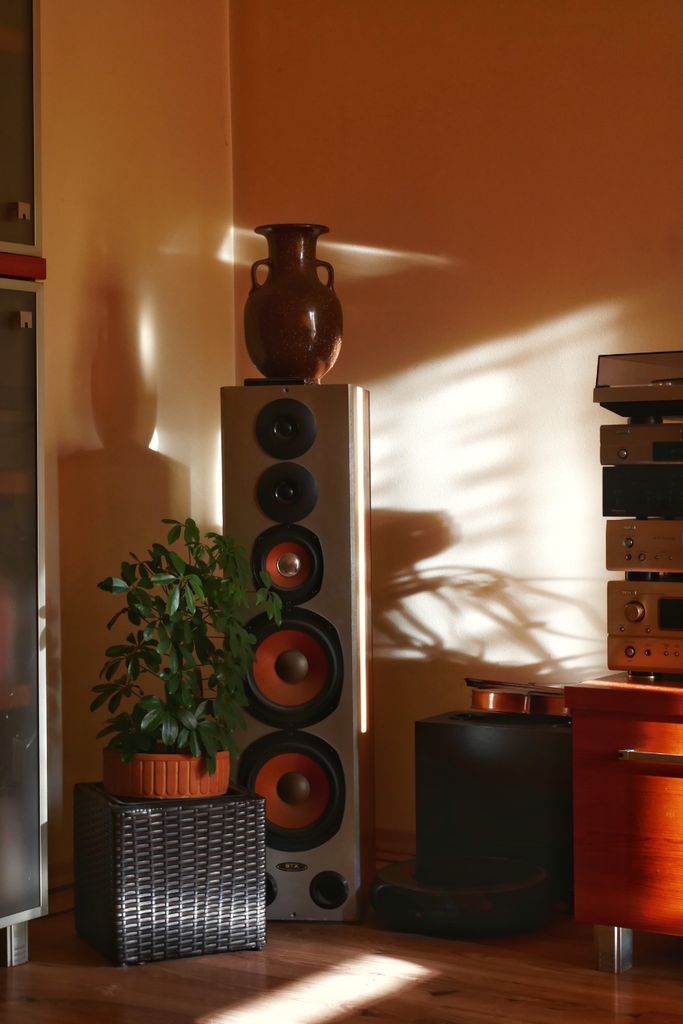
Even premium speakers may sound disappointing in an untreated room.
Simple improvements include:
- Area rugs
- Curtains
- Bookshelves
- Fabric furniture
- Acoustic panels
- Proper speaker placement
These inexpensive changes often improve sound quality more than upgrading equipment.
Plan for Future Expansion
A budget system today doesn’t have to remain a budget system forever.
Choose equipment that allows future upgrades, such as:
- Additional surround speakers
- Wireless subwoofers
- Dolby Atmos speakers
- More HDMI inputs
- eARC support
- Smart home integration
A modular approach lets you improve your system gradually instead of replacing everything at once.
Avoid Common Budget Home Theater Mistakes
Many first-time buyers make the same mistakes.
Try to avoid:
- Buying the largest TV instead of the best-quality TV.
- Ignoring speaker placement.
- Purchasing unnecessary premium HDMI cables.
- Forgetting about seating distance.
- Choosing style over sound quality.
- Overlooking room lighting.
- Not leaving room for future upgrades.
Avoiding these mistakes can improve your experience without increasing your budget.
Sample Budget Home Theater Setups
To help readers plan realistically, consider these example configurations:
Entry-Level Setup
- 55-inch 4K TV
- Affordable soundbar
- Streaming stick
- Existing furniture
- LED bias lighting
Ideal for apartments and casual movie nights.
Mid-Range Setup
- 65-inch 4K TV with HDR
- AV receiver
- 5.1 speaker package
- Streaming media player
- Universal remote
Suitable for movie enthusiasts and families.
Gaming-Focused Setup
- 120 Hz TV
- HDMI 2.1 support
- Gaming console or gaming PC
- Low-latency sound system
- Comfortable gaming chair
Designed for immersive gaming and fast response times.
How to Interpret Video Game Console Reviews?
Final Thoughts
Building a budget home theater is more achievable than ever thanks to affordable televisions, high-quality soundbars, streaming devices, and refurbished electronics. Rather than chasing the most expensive equipment, focus on balancing display quality, audio performance, seating comfort, and room layout.
A thoughtfully planned system can deliver an impressive cinematic experience without requiring a premium budget. Start with the essentials, choose upgrade-friendly components, and improve your setup over time as your needs and budget evolve.
Frequently Asked Questions
How much does a budget home theater cost?
A complete entry-level home theater can often be assembled for a few hundred dollars, while more advanced systems with surround sound and premium displays may cost considerably more. The final budget depends on your room size, display, and audio preferences.
Is a soundbar enough for a home theater?
For many households, yes. A quality soundbar offers a significant improvement over built-in TV speakers and is often the most cost-effective audio upgrade.
Should I buy a projector or a TV?
Projectors are excellent for creating a large cinematic image, while televisions generally provide brighter pictures, better HDR performance, and easier everyday use.
Is Dolby Atmos necessary?
Not necessarily. Dolby Atmos enhances immersion, but even a well-configured stereo or 5.1 speaker system can provide an outstanding movie experience.
Can I build a home theater gradually?
Absolutely. Many people begin with a television and soundbar, then add a receiver, surround speakers, a subwoofer, and additional accessories over time.