
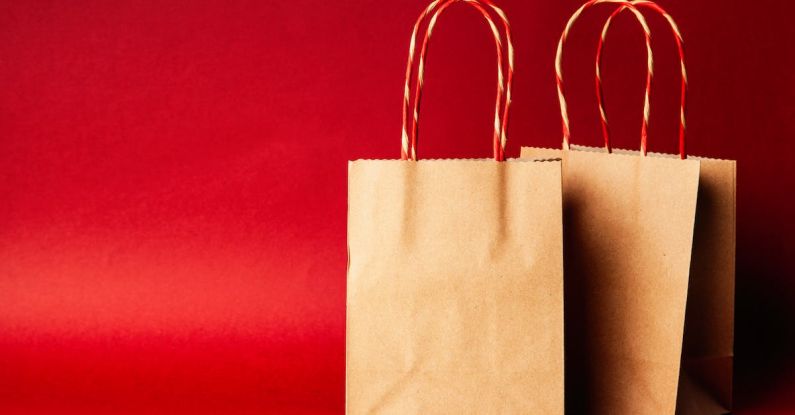
In today’s world, where sustainability is becoming increasingly important, it is essential to make conscious choices when it comes to shopping for packaging materials. Eco-friendly packaging not only helps protect our environment but also promotes a positive image for businesses that value sustainability. If you’re looking to shop for eco-friendly packaging, here are some tips to help you make the right choices.
Consider the Material
When it comes to eco-friendly packaging, the choice of material plays a crucial role. Look for packaging materials that are biodegradable, recyclable, or made from renewable resources. Avoid materials such as plastic or Styrofoam, which are harmful to the environment and take years to decompose. Instead, opt for materials like paper, cardboard, or plant-based plastics, which have a lower environmental impact.
Choose Minimalist Designs
Another important factor to consider when shopping for eco-friendly packaging is the design. Look for minimalist designs that use less material and produce less waste. Packaging that is simple, compact, and efficient not only reduces the amount of packaging material used but also minimizes the carbon footprint associated with transportation and storage.
Look for Sustainable Certifications
To ensure that the packaging you purchase is truly eco-friendly, look for sustainable certifications. Certifications such as FSC (Forest Stewardship Council) or PEFC (Programme for the Endorsement of Forest Certification) indicate that the packaging materials come from responsibly managed forests. Similarly, certifications like the Green Seal or the EcoLogo signify that the packaging meets specific environmental standards.
Consider the Life Cycle
When shopping for eco-friendly packaging, it is important to consider the entire life cycle of the product. This includes not only the production and use of the packaging but also its disposal. Look for packaging materials that have a lower carbon footprint and can be easily recycled or composted. By choosing packaging that can be reused or repurposed, you can further extend its life cycle and reduce waste.
Opt for Local Suppliers
Choosing local suppliers for your packaging needs can have a significant impact on reducing your carbon footprint. By sourcing packaging materials from nearby manufacturers, you can minimize transportation distances and support local businesses. Additionally, local suppliers are often more knowledgeable about sustainable practices and can provide valuable guidance on eco-friendly packaging options.
Consider the Cost
While eco-friendly packaging may sometimes come at a higher cost, it is important to consider the long-term benefits. Investing in sustainable packaging can help reduce waste, improve brand image, and attract environmentally conscious customers. Additionally, some eco-friendly packaging options, such as bulk packaging or reusable containers, can actually help save costs in the long run.
Educate Your Customers
Once you have chosen eco-friendly packaging for your products, it is important to educate your customers about its benefits. Use labels or marketing materials to highlight the sustainable features of your packaging and explain how it aligns with your brand’s values. By raising awareness among your customers, you can encourage them to make more eco-friendly choices and support your efforts towards sustainability.
Understand the Difference Between Recyclable and Compostable
These terms are often confused, but they describe different types of packaging.
- Recyclable packaging can be processed into new materials through recycling systems.
- Compostable packaging is designed to break down into natural components under specific composting conditions.
- Biodegradable packaging decomposes over time, but the speed and conditions vary depending on the material.
Understanding these differences helps consumers choose packaging that matches the recycling or composting facilities available in their area.
How Can You Reduce Waste while Shopping?
Avoid Excessive Packaging
One of the easiest ways to reduce environmental impact is simply to buy products with less packaging.
Look for products that:
- Use minimal wrapping.
- Eliminate unnecessary plastic.
- Combine multiple items efficiently.
- Offer refill options.
- Use concentrated product formulas that require smaller containers.
Less packaging generally means less waste and lower transportation emissions.
Refillable Packaging Is Becoming More Common
Many companies now offer refill systems that allow customers to reuse the original container.
Popular examples include:
- Cleaning products
- Personal care products
- Laundry detergents
- Cosmetics
- Food storage containers
Refillable packaging reduces single-use waste while lowering the demand for new packaging materials.
Consider Transportation Impact
Packaging influences more than waste generation.
Lighter and more compact packaging can also reduce:
- Shipping costs
- Fuel consumption
- Carbon emissions
- Storage space
Choosing efficiently designed packaging benefits both businesses and consumers.
Beware of Greenwashing
Some packaging uses environmentally friendly colors or language without providing meaningful evidence of sustainability.
Look for:
- Independent certifications
- Clearly identified materials
- Recycling instructions
- Verified environmental claims
- Transparent manufacturer information
Specific details are usually more trustworthy than vague statements such as “green,” “natural,” or “eco-friendly.”
Reuse Before Recycling
Reusing packaging often has a lower environmental impact than immediately recycling it.
Many containers can be reused for:
- Household storage
- Gift wrapping
- Organization
- Gardening
- Craft projects
Extending the useful life of packaging helps reduce overall waste.
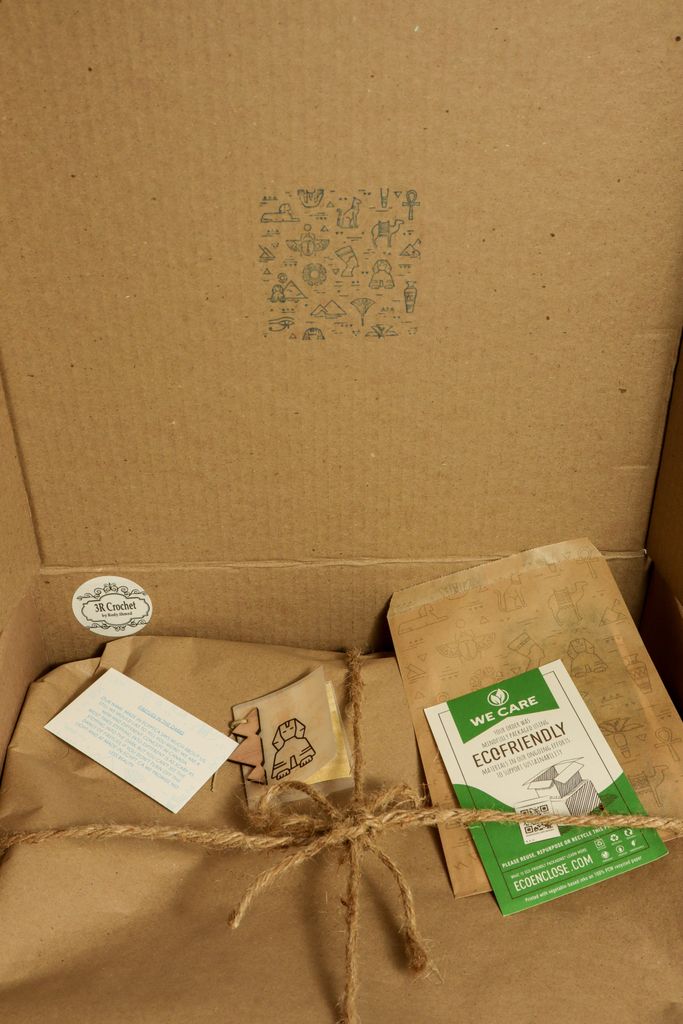
Sustainable Packaging Can Save Money
Eco-friendly packaging is not always more expensive.
Businesses and consumers may reduce costs through:
- Bulk purchasing
- Lightweight packaging
- Reusable containers
- Lower shipping expenses
- Reduced material usage
Sustainable packaging can support both environmental and financial goals over time.
Common Eco-friendly Packaging Mistakes
Consumers sometimes assume that:
- All paper packaging is automatically sustainable.
- Every biodegradable product can be composted at home.
- Recyclable packaging is always recycled.
- Plastic alternatives always have a lower environmental impact.
- Eco-friendly labels guarantee responsible manufacturing.
Taking time to understand packaging materials helps shoppers make more informed choices.
Final Thoughts
Choosing eco-friendly packaging involves more than selecting products with environmentally friendly labels. Material selection, packaging design, transportation efficiency, refill systems, certifications, and end-of-life disposal all influence the overall environmental impact.
By reducing unnecessary packaging, choosing reusable or recyclable materials, supporting transparent manufacturers, and understanding local recycling systems, consumers can make purchasing decisions that are both practical and environmentally responsible.
Frequently Asked Questions
What is the most environmentally friendly packaging?
There is no single answer. The best option depends on how the packaging is produced, transported, reused, and ultimately disposed of within local recycling or composting systems.
Is recyclable packaging always recycled?
No. Recycling depends on local collection programs, sorting facilities, and consumer participation.
What is the difference between biodegradable and compostable packaging?
Compostable packaging is designed to break down under composting conditions, while biodegradable materials may decompose over varying time periods and under different environmental conditions.
Is reusable packaging better than recyclable packaging?
In many situations, yes. Reusing packaging multiple times often reduces environmental impact more than recycling it after a single use.
Why is excessive packaging a problem?
Extra packaging increases material consumption, transportation emissions, waste generation, and disposal costs without improving the product itself.