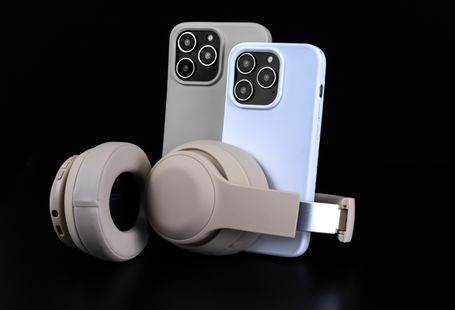

Smartphones and tablets have become indispensable for work, communication, banking, entertainment, and travel. As device prices continue to rise, replacing a damaged or stolen phone can cost hundreds—or even thousands—of dollars. This has made mobile device insurance increasingly popular. But is it really worth paying for?
The answer depends on your device’s value, how you use it, and your personal tolerance for risk. Here’s what you should know before purchasing mobile device insurance.
What Is Mobile Device Insurance?
Mobile device insurance is a policy that helps cover the cost of repairing or replacing your smartphone, tablet, smartwatch, or other portable electronics if they’re damaged, lost, or stolen.
Coverage varies by provider but often includes:
- Accidental damage
- Cracked screens
- Liquid damage
- Theft
- Loss (on some policies)
- Mechanical or electrical failures after the manufacturer’s warranty expires
Some policies also offer same-day repairs or expedited replacement devices.
Benefits of Mobile Device Insurance
Protection Against Expensive Repairs
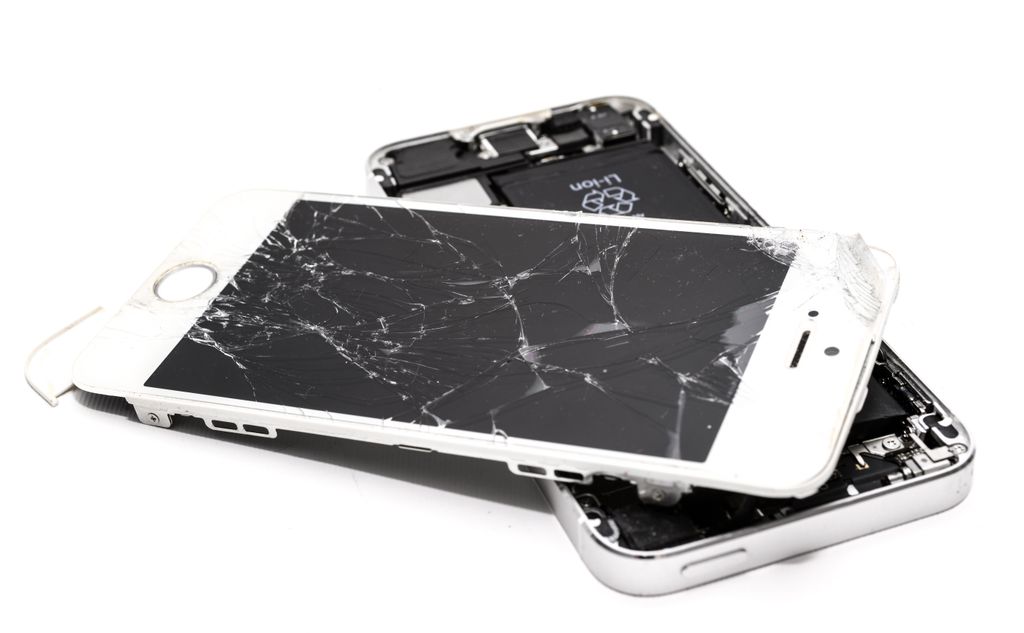
Modern smartphones often feature premium materials and advanced displays that can be costly to repair.
Insurance can help cover expenses such as:
- Screen replacement
- Camera repairs
- Battery replacement
- Water damage
- Internal hardware failures
For flagship devices, repair costs can easily exceed several hundred dollars.
Theft and Loss Coverage
Many standard warranties don’t cover theft or accidental loss.
Insurance can provide:
- Replacement devices
- Theft protection
- Coverage while traveling
- Peace of mind in crowded public places
This benefit is particularly valuable if you frequently commute or travel internationally.
Fast Replacement Service
Many insurance providers offer quick replacement options, allowing you to receive a replacement device within one or two business days.
This can be especially important if you rely on your phone for:
- Remote work
- Business communication
- Navigation
- Banking
- Two-factor authentication
Drawbacks of Mobile Device Insurance
Insurance isn’t always the most cost-effective option.
Potential disadvantages include:
Monthly Premiums
Most policies require monthly or annual payments.
Over several years, these costs can add up to a significant portion of the phone’s purchase price.
Deductibles
Even with insurance, you’ll often pay a deductible when filing a claim.
Depending on the policy, deductibles may range from modest to substantial amounts.
Coverage Limitations
Many policies exclude certain situations, including:
- Cosmetic damage
- Intentional damage
- Unauthorized repairs
- Negligence
- Unapproved modifications
Always read the policy carefully before purchasing.
Manufacturer Warranty vs. Insurance
These two types of protection serve different purposes.
Manufacturer Warranty
Usually covers:
- Manufacturing defects
- Hardware failures
- Faulty components
Typically does not cover:
- Accidental damage
- Theft
- Loss
- Cracked screens
Mobile Device Insurance
Often covers:
- Accidental drops
- Liquid damage
- Theft
- Loss
- Screen repairs
Many people mistakenly assume their manufacturer’s warranty protects against accidents, but this usually isn’t the case.
When Insurance Makes Sense
Mobile device insurance may be worthwhile if:
- You own an expensive flagship smartphone.
- Replacing your device would strain your budget.
- You travel frequently.
- You have young children who use your devices.
- You have a history of dropping or damaging phones.
- Your phone is essential for work.
In these situations, insurance can provide valuable financial protection.
When You Might Skip Insurance
Insurance may not be necessary if:
- You own a lower-cost device.
- You upgrade frequently.
- You already have emergency savings.
- Your credit card provides purchase protection.
- Your homeowner’s or renter’s insurance covers electronics.
- You consistently use a high-quality protective case and screen protector.
For budget smartphones, paying insurance premiums may cost nearly as much as replacing the device.
Alternatives to Mobile Device Insurance
Before buying a separate policy, consider other forms of protection.
Protective Accessories
A durable case and tempered glass screen protector can prevent many common types of damage for a relatively small cost.
Extended Warranty Plans
Manufacturer protection plans often include accidental damage coverage while offering factory-authorized repairs.
Credit Card Benefits
Some premium credit cards include mobile phone protection if you pay your monthly wireless bill with the card.
Self-Insurance
Instead of paying monthly premiums, set aside money in a dedicated savings account for future repairs or replacement.
If you rarely damage your devices, this approach can save money over time.
Questions to Ask Before Buying Insurance
Before choosing a policy, consider:
- What incidents are covered?
- Is theft included?
- Does it cover accidental loss?
- How much is the deductible?
- Are refurbished replacement devices used?
- How many claims are allowed each year?
- How quickly are replacements provided?
Comparing policies carefully can help you avoid unpleasant surprises when you need to file a claim.
Final Thoughts
Mobile device insurance can be a smart investment for people who own expensive smartphones, travel frequently, or rely heavily on their devices for work and daily life. It offers valuable protection against accidental damage, theft, and costly repairs that standard warranties typically don’t cover.
However, insurance isn’t the best choice for everyone. Before purchasing a policy, compare the cost of premiums, deductibles, and coverage limits with the replacement value of your device. In some cases, investing in a quality protective case or building an emergency repair fund may provide better long-term value.