
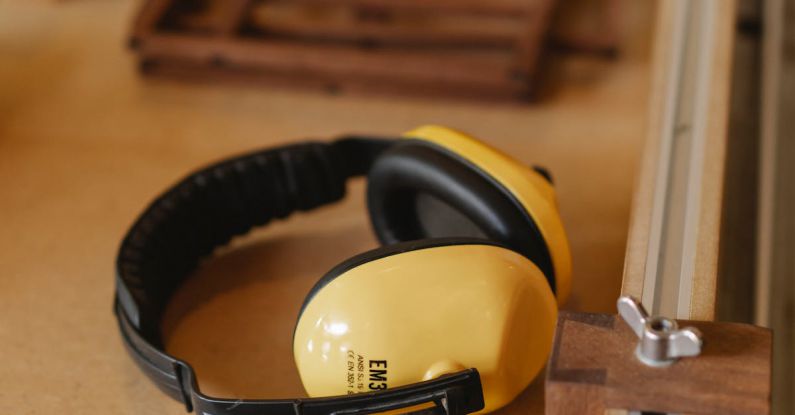
When it comes to finding the perfect pair of headphones, noise-canceling technology has become a game-changer in recent years. These headphones claim to block out background noise, allowing you to enjoy your music or focus on your work without distractions. But how effective are noise-canceling headphones, and do they really live up to the hype? Let’s delve into the world of noise-canceling headphones and find out.
Understanding the Technology
To truly grasp the effectiveness of noise-canceling headphones, we first need to understand how they work. Noise-canceling headphones utilize built-in microphones to capture external sounds. These sounds are then analyzed by a digital signal processor (DSP), which generates an inverse sound wave. This inverse sound wave is played through the headphones, effectively canceling out the background noise. The result is a quieter listening experience.
Active vs. Passive Noise Cancellation
There are two types of noise cancellation: active and passive. Passive noise cancellation refers to the physical design of the headphones, which aims to block out external noise by creating a seal around your ears. This type of noise cancellation is effective to some extent, but it can’t completely eliminate all background noise.
Active noise cancellation, on the other hand, takes noise cancellation a step further. By using the technology mentioned earlier, active noise-canceling headphones are capable of reducing a wider range of ambient sounds. This makes them particularly useful in noisy environments such as airplanes, trains, or bustling coffee shops.
The Effectiveness of Noise Cancelation
Now that we understand the technology behind noise-canceling headphones, let’s evaluate their effectiveness. When it comes to blocking out constant, low-frequency sounds like airplane engines or the hum of air conditioning units, noise-canceling headphones excel. They can significantly reduce these types of noises, allowing you to enjoy your music or focus on your tasks without interruptions.
However, noise-canceling headphones may not be as effective when it comes to sudden, high-pitched sounds like people talking or car horns. These types of noises are more difficult to cancel out completely, as their frequencies and wavelengths differ from the constant background sounds that noise-canceling headphones are designed to tackle.
Battery Life and Sound Quality
One aspect to consider when investing in noise-canceling headphones is their battery life. Since these headphones require power to cancel out noise, they rely on built-in batteries. The battery life can vary depending on the brand and model, so it’s essential to choose headphones that offer a decent battery life to meet your needs.
In terms of sound quality, noise-canceling headphones have come a long way in recent years. Many models now offer exceptional audio fidelity, allowing you to enjoy your music with clarity and detail. However, it’s worth noting that some cheaper models may sacrifice sound quality to prioritize noise cancellation, so it’s crucial to do your research before making a purchase.
Which Types of Noise Are Reduced Most Effectively?
Active noise cancellation performs best against steady, predictable sounds.
Examples include:
- Airplane engine noise
- Train and subway rumble
- Air conditioners
- Bus engines
- Office ventilation systems
- Computer fans
These continuous low-frequency sounds are much easier for ANC systems to reduce than sudden or irregular noises.
Situations Where ANC Is Less Effective
Although modern noise-canceling headphones continue to improve, they are generally less effective against:
- Nearby conversations
- Babies crying
- Barking dogs
- Keyboard typing
- Sudden alarms
- Construction impacts
Some higher-end models reduce these sounds better than entry-level products, but no consumer headphones eliminate every type of noise completely.
Transparency Mode Adds Flexibility
Many modern headphones include Transparency Mode (sometimes called Ambient Mode).
Instead of blocking surrounding sounds, this feature allows users to hear:
- Conversations
- Traffic
- Airport announcements
- Doorbells
- Public transportation announcements
This makes the headphones safer and more convenient in situations where environmental awareness is important.
Comfort Matters During Long Listening Sessions
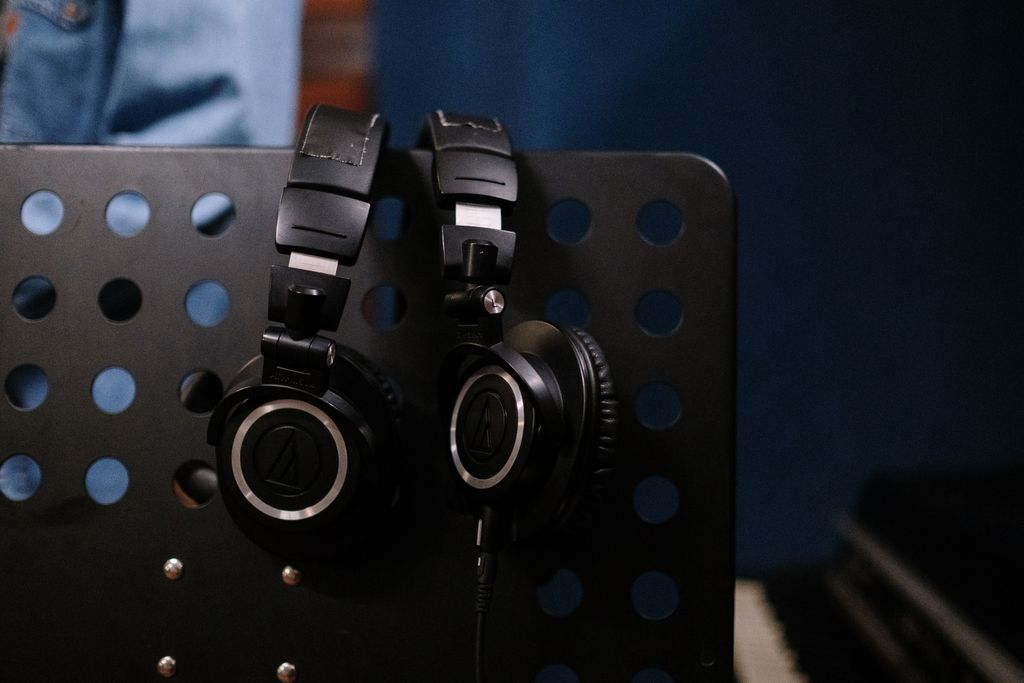
If you wear headphones for several hours each day, comfort becomes just as important as sound quality.
Consider:
- Weight
- Ear cushion materials
- Headband padding
- Clamping force
- Heat buildup
Even excellent noise cancellation cannot compensate for uncomfortable headphones during long work or travel sessions.
Battery Life Has Improved Significantly
Modern wireless noise-canceling headphones often provide enough battery life for several days of regular use.
When comparing models, evaluate:
- Battery life with ANC enabled
- Charging speed
- USB-C charging
- Quick-charge features
- Wired listening capability
Long battery life is especially valuable for frequent travelers.
Noise Cancellation Is Helpful Beyond Travel
Although ANC became popular among airline passengers, it is now widely used in everyday situations.
Common examples include:
- Working from home
- Shared offices
- Libraries
- Coffee shops
- Studying
- Commuting
- Video meetings
Reducing background noise can improve both concentration and listening comfort.
Do More Expensive Headphones Sound Better?
Higher-priced headphones often include:
- Better microphones for ANC
- More advanced audio processing
- Higher-quality drivers
- Improved build quality
- Better companion apps
- Longer software support
However, many mid-range models now offer excellent performance, making them a strong value for most users.
Common Buying Mistakes
Avoid these common mistakes:
- Choosing headphones based only on ANC performance.
- Ignoring comfort.
- Forgetting battery life.
- Buying gaming headphones for travel.
- Assuming all wireless headphones include effective ANC.
- Overlooking microphone quality for calls.
A balanced combination of comfort, sound quality, battery life, and noise cancellation usually delivers the best overall experience.
Final Thoughts
Noise-canceling headphones have become one of the most useful audio technologies for work, travel, studying, and everyday listening. While they cannot completely eliminate every surrounding sound, they are extremely effective at reducing continuous background noise and creating a more comfortable listening environment.
When selecting a pair, consider more than just ANC performance. Comfort, battery life, sound quality, transparency mode, microphone performance, and overall durability all contribute to long-term satisfaction. For many users, a well-designed mid-range model provides an excellent balance between price and performance.
Frequently Asked Questions
Are noise-canceling headphones worth buying?
For frequent travelers, remote workers, students, and commuters, active noise cancellation can significantly improve comfort and concentration.
Can noise-canceling headphones eliminate all noise?
No. They are most effective against continuous low-frequency sounds and generally less effective against sudden or unpredictable noises.
Does noise cancellation reduce sound quality?
Modern premium headphones usually maintain excellent sound quality while ANC is enabled, although performance varies between models.
Is passive noise isolation enough?
For quiet environments, passive isolation may be sufficient. In noisy environments such as airplanes or trains, active noise cancellation usually provides much greater comfort.
How long do ANC headphone batteries last?
Many current wireless models offer approximately 20–40 hours of battery life with active noise cancellation enabled, depending on usage and features.