
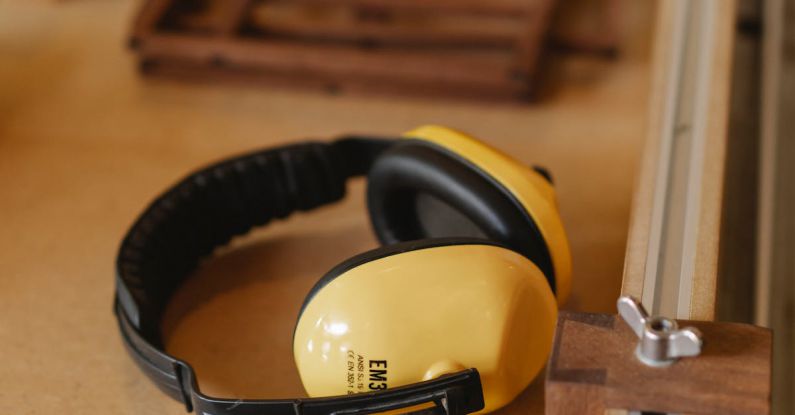
When it comes to finding the perfect pair of headphones, noise-canceling technology has become a game-changer in recent years. These headphones claim to block out background noise, allowing you to enjoy your music or focus on your work without distractions. But how effective are noise-canceling headphones, and do they really live up to the hype? Let’s delve into the world of noise-canceling headphones and find out.
Understanding the Technology
To truly grasp the effectiveness of noise-canceling headphones, we first need to understand how they work. Noise-canceling headphones utilize built-in microphones to capture external sounds. These sounds are then analyzed by a digital signal processor (DSP), which generates an inverse sound wave. This inverse sound wave is played through the headphones, effectively canceling out the background noise. The result is a quieter listening experience.
Active vs. Passive Noise Cancellation
There are two types of noise cancellation: active and passive. Passive noise cancellation refers to the physical design of the headphones, which aims to block out external noise by creating a seal around your ears. This type of noise cancellation is effective to some extent, but it can’t completely eliminate all background noise.
Active noise cancellation, on the other hand, takes noise cancellation a step further. By using the technology mentioned earlier, active noise-canceling headphones are capable of reducing a wider range of ambient sounds. This makes them particularly useful in noisy environments such as airplanes, trains, or bustling coffee shops.
The Effectiveness of Noise Cancelation
Now that we understand the technology behind noise-canceling headphones, let’s evaluate their effectiveness. When it comes to blocking out constant, low-frequency sounds like airplane engines or the hum of air conditioning units, noise-canceling headphones excel. They can significantly reduce these types of noises, allowing you to enjoy your music or focus on your tasks without interruptions.
However, noise-canceling headphones may not be as effective when it comes to sudden, high-pitched sounds like people talking or car horns. These types of noises are more difficult to cancel out completely, as their frequencies and wavelengths differ from the constant background sounds that noise-canceling headphones are designed to tackle.
Battery Life and Sound Quality
One aspect to consider when investing in noise-canceling headphones is their battery life. Since these headphones require power to cancel out noise, they rely on built-in batteries. The battery life can vary depending on the brand and model, so it’s essential to choose headphones that offer a decent battery life to meet your needs.
In terms of sound quality, noise-canceling headphones have come a long way in recent years. Many models now offer exceptional audio fidelity, allowing you to enjoy your music with clarity and detail. However, it’s worth noting that some cheaper models may sacrifice sound quality to prioritize noise cancellation, so it’s crucial to do your research before making a purchase.
The Verdict
In conclusion, noise-canceling headphones do live up to the hype when it comes to reducing constant background noise. They are particularly effective in environments where low-frequency sounds are prevalent. However, they may not completely eliminate all types of noise, especially sudden, high-pitched sounds. Additionally, battery life and sound quality are important factors to consider when choosing noise-canceling headphones.
Ultimately, the effectiveness of noise-canceling headphones depends on your specific needs and preferences. If you frequently find yourself in noisy environments and crave a quieter listening experience, investing in a pair of noise-canceling headphones could be a game-changer for you. Just make sure to choose a reputable brand and model that offers the right balance of noise cancellation, battery life, and sound quality.