
Choosing a mobile data plan can feel confusing. Carriers advertise unlimited data, premium speeds, family discounts, and bundled perks, but the cheapest option isn’t always the best value. Paying for more data than you use wastes money, while choosing too little can lead to expensive overage charges or reduced speeds.
The key is finding a plan that matches your actual usage. Here’s how to choose a mobile data plan that keeps costs low without sacrificing the features you need.
Understand How Much Data You Really Use
Before comparing plans, check how much mobile data you use each month.
Most smartphones include built-in usage tracking.
Look for:
- Average monthly usage
- Highest monthly usage
- Which apps consume the most data
A three- to six-month average gives a much better picture than looking at only one month.
Estimate Your Monthly Data Needs
Typical mobile activities use approximately:
| Activity | Data Usage |
|---|---|
| Very low | |
| Web browsing | 50–100 MB/hour |
| Social media | 100–300 MB/hour |
| Music streaming | 50–150 MB/hour |
| Video calls | 500 MB–2 GB/hour |
| HD video streaming | 2–3 GB/hour |
| 4K streaming | 7–10 GB/hour |
| Online gaming | Usually low, but varies |
If you mainly use Wi-Fi at home and work, you may need far less mobile data than you think.
Don’t Automatically Choose Unlimited Data
Unlimited plans sound appealing, but they aren’t always the best deal.
Many “unlimited” plans actually include:
- Speed throttling after a certain amount of data
- Lower priority during network congestion
- Limited hotspot data
- Video quality restrictions
If you consistently use only 8–10 GB per month, an unlimited plan may cost far more than necessary.
Compare Total Cost, Not Just the Monthly Price
A low advertised monthly price may hide additional costs.
Consider:
- Activation fees
- Taxes
- Administrative charges
- Device payments
- SIM or eSIM fees
- International roaming costs
Always compare the total monthly cost.
Consider MVNO Carriers
Mobile Virtual Network Operators (MVNOs) use major carrier networks while charging lower prices.
Advantages include:
- Lower monthly bills
- No long-term contracts
- Flexible plans
- Easy switching
For many users, MVNOs provide nearly identical coverage at a fraction of the cost.
Choose the Right Family Plan
If multiple people need service, family plans often provide better value.
Benefits include:
- Shared data pools
- Multi-line discounts
- Lower per-line pricing
- Easier billing
However, compare the total cost carefully, as individual plans can sometimes be cheaper for smaller households.
Pay Attention to Hotspot Limits
Many people use their phones as mobile hotspots.
Not all plans treat hotspot data equally.
Some include:
- Unlimited hotspot data
- High-speed hotspot allowances
- Slower hotspot speeds after a limit
- No hotspot support
If you work remotely or travel frequently, hotspot allowances are especially important.
Think About International Travel
Travelers should compare international features.
Check whether the plan includes:
- International roaming
- Free texting abroad
- Affordable international calling
- Travel passes
- Data usage in neighboring countries
Frequent travelers can save a substantial amount by choosing travel-friendly plans.
Make the Most of Wi-Fi
Using Wi-Fi whenever possible remains one of the easiest ways to reduce mobile data usage.
Connect at:
- Home
- Work
- School
- Hotels
- Cafés
- Airports
Downloading updates, videos, and large files over Wi-Fi helps keep mobile data usage low.
Enable Data-Saving Features
Modern smartphones include built-in tools to reduce data consumption.
Useful features include:
- Background data restrictions
- Low Data Mode (iPhone)
- Data Saver (Android)
- Automatic app updates on Wi-Fi only
- Lower streaming quality
- Offline downloads
These settings can significantly reduce monthly data use.
Monitor Data Throughout the Month
Most carriers provide apps that show your current data usage.
Checking regularly helps you:
- Avoid overages
- Spot unusual activity
- Adjust usage before reaching limits
Setting usage alerts is also a smart idea.
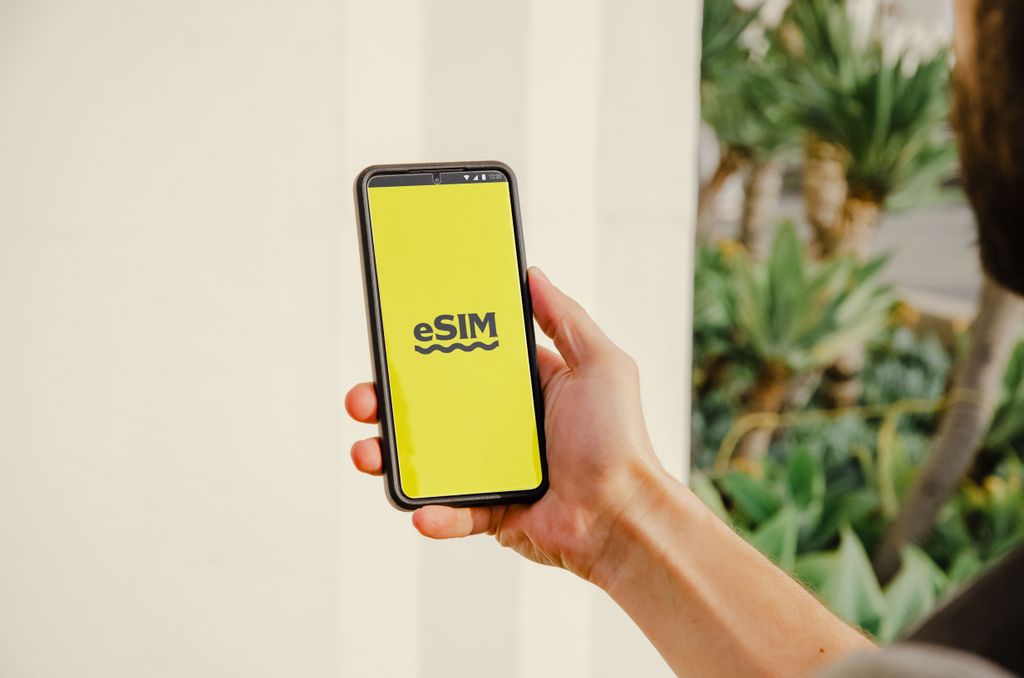
Consider eSIM Flexibility
Many modern phones support eSIM technology.
Benefits include:
- Switching carriers easily
- Using multiple plans
- Adding temporary travel plans
- No physical SIM card required
eSIM makes comparing and changing providers much simpler.
Bundle Services Carefully
Some providers offer discounts when combining:
- Mobile service
- Home internet
- TV
- Streaming services
Bundles can save money, but only if you actually use the included services.
Avoid paying for extras you don’t need.
Review Your Plan Every Year
Mobile plans change frequently.
New promotions appear every few months.
Once a year:
- Compare current offers.
- Review your data usage.
- Check competitor pricing.
- Look for loyalty discounts.
A five-minute comparison could save hundreds of dollars each year.
Avoid Paying for Features You Never Use
Many plans include extras such as:
- Premium streaming
- Cloud storage
- International calling
- Device insurance
- Gaming subscriptions
If you rarely use these features, choosing a simpler plan may be more economical.
Common Mistakes to Avoid
Many people spend more than necessary because they:
- Buy unlimited plans without needing them.
- Ignore hidden fees.
- Forget to review their plan annually.
- Stay with outdated contracts.
- Pay for unnecessary extras.
- Underestimate Wi-Fi availability.
- Ignore MVNO alternatives.
Avoiding these mistakes can lead to significant long-term savings.
How to Save on Software and App Purchases?
Frequently Asked Questions
How much mobile data does the average person need?
Many users consume between 10 and 20 GB per month, but heavy video streaming or frequent hotspot use can require considerably more.
Is unlimited data always worth it?
Not necessarily. If your monthly usage is moderate, a capped plan is often more affordable.
Are prepaid plans cheaper?
Prepaid plans frequently offer lower monthly costs, greater flexibility, and no long-term contracts.
What is an MVNO?
An MVNO leases network access from major carriers and often provides similar coverage at lower prices.
Should I switch carriers regularly?
If another provider offers better pricing, improved coverage, or more suitable features, switching can be a practical way to reduce your monthly bill.
Final Thoughts
Saving money on mobile data starts with understanding your actual usage rather than choosing the biggest or most heavily advertised plan. Compare total costs, look beyond unlimited offers, consider prepaid and MVNO options, use Wi-Fi whenever possible, and review your plan regularly. Small adjustments can add up to substantial savings over time while still giving you reliable connectivity.