

uying furniture is about more than choosing a style you like. Well-made furniture can serve your home for decades, reducing waste, saving money, and minimizing the environmental impact of replacing cheaply made items every few years.
While fast furniture may seem inexpensive initially, its shorter lifespan often makes it more expensive over time. Investing in durable, repairable furniture is one of the most sustainable choices you can make.
Here’s what to look for when shopping for furniture that’s truly built to last.
Why Durability Matters
Choosing long-lasting furniture offers several benefits:
- Reduces landfill waste
- Saves money over time
- Requires fewer replacements
- Conserves natural resources
- Supports sustainable consumption
- Often provides better comfort and craftsmanship
Buying one quality piece that lasts 20 years is usually more economical than replacing inexpensive furniture every few years.
Choose Solid Wood Whenever Possible
Solid wood remains one of the most durable furniture materials available.
Excellent options include:
- Oak
- Maple
- Walnut
- Cherry
- Ash
- Beech
These hardwoods resist daily wear and can often be refinished multiple times during their lifespan.
Softwoods like pine are generally more affordable but may dent more easily.
Understand Engineered Wood Products
Not every engineered wood product is poor quality.
Here’s the difference:
Solid Wood
- Extremely durable
- Repairable
- Long lifespan
Plywood
- Strong
- Stable
- Often an excellent choice
MDF
- Smooth surface
- Good for painted furniture
- Less resistant to moisture
Particleboard
- Lowest durability
- Difficult to repair
- Shorter lifespan
Furniture made primarily from particleboard generally has the shortest service life.
Inspect Joinery Carefully
Strong joints determine whether furniture remains sturdy for years.
Look for quality joinery such as:
- Mortise-and-tenon joints
- Dovetail joints
- Finger joints
- Wooden dowels
- Corner blocks
Avoid furniture held together primarily with:
- Staples
- Nails
- Excessive glue
- Plastic connectors
Quality joinery is one of the clearest signs of good craftsmanship.
Check Frame Construction
For upholstered furniture, the frame is the foundation.
High-quality sofas typically use:
- Kiln-dried hardwood
- Reinforced corners
- Thick structural components
Frames made from softwood or particleboard may loosen or warp much sooner.
Test Stability
Before buying, gently test the furniture.
Check whether it:
- Rocks or wobbles
- Squeaks
- Flexes under weight
- Has uneven legs
Solid furniture should feel stable and rigid.
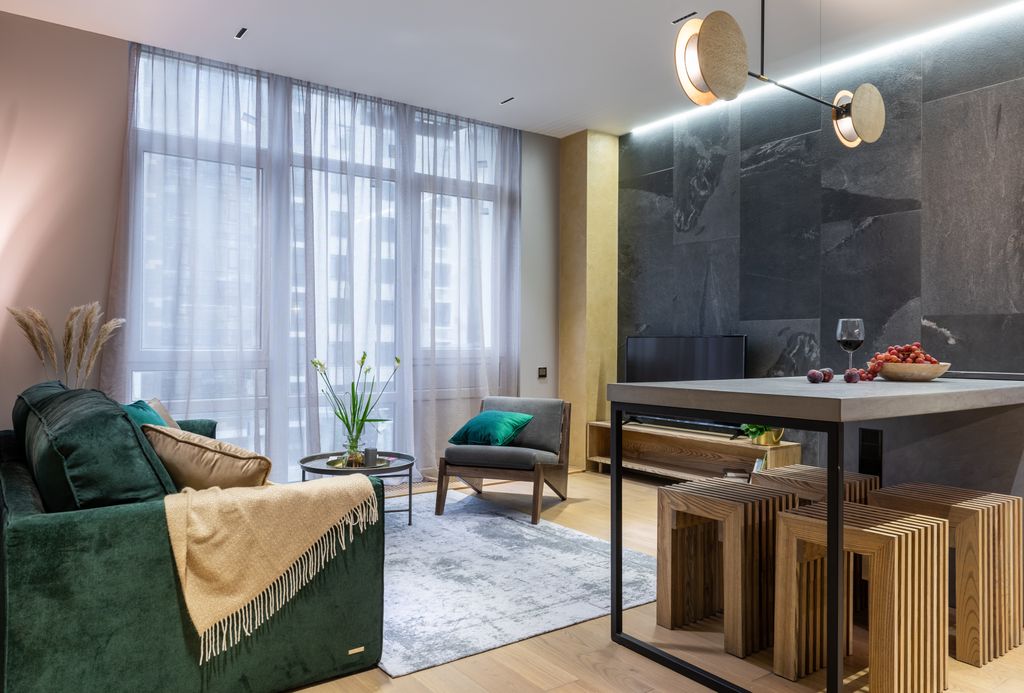
Evaluate Upholstery Materials
Fabric quality affects both appearance and longevity.
Durable choices include:
- Linen blends
- Performance fabrics
- High-quality leather
- Wool blends
- Heavy cotton canvas
Performance fabrics often resist:
- Stains
- Fading
- Moisture
- Pet scratches
Understand Cushion Quality
Comfort depends heavily on cushion construction.
Look for:
- High-density foam
- Pocket coil cushions
- Feather-and-foam blends
- Replaceable cushion inserts
Very soft foam often loses shape quickly.
Look for Repairable Furniture
One hallmark of sustainable furniture is repairability.
Can you replace:
- Cushions?
- Upholstery?
- Drawer slides?
- Hardware?
- Tabletops?
Furniture that can be repaired instead of discarded offers much better long-term value.
Choose Timeless Designs
Trendy furniture often goes out of style before it wears out.
Classic designs tend to remain attractive for decades.
Neutral colors also make it easier to update a room without replacing major furniture pieces.
Consider Sustainable Certifications
Several certifications indicate environmentally responsible production.
Look for:
- FSC-certified wood
- PEFC-certified timber
- GREENGUARD certification
- OEKO-TEX certified textiles
- Low-VOC finishes
These certifications support healthier homes and more sustainable forestry.
Avoid Harmful Finishes
Some inexpensive furniture releases volatile organic compounds (VOCs).
Low-VOC or water-based finishes reduce indoor air pollution and are often more environmentally friendly.
Buy From Companies That Offer Replacement Parts
Manufacturers that sell replacement parts generally design products for longer service lives.
Useful replacement items include:
- Drawer slides
- Cabinet hinges
- Hardware
- Cushion inserts
- Table legs
This makes repairs easier years later.
Read Warranty Details
A generous warranty often reflects manufacturer confidence.
Longer warranties may cover:
- Structural frames
- Springs
- Mechanisms
- Manufacturing defects
Always read the warranty carefully to understand what is and isn’t included.
Consider Secondhand Furniture
Used furniture can be both economical and environmentally friendly.
Excellent places to shop include:
- Estate sales
- Antique shops
- Consignment stores
- Charity shops
- Local marketplaces
Older solid wood furniture is often built to higher standards than many modern budget pieces.
Where to Find Affordable Home Office Decor That Inspires?
Ask Important Questions Before Buying
When shopping, ask:
- What material is the frame made from?
- Is the wood solid or engineered?
- What type of joinery is used?
- Can replacement parts be ordered?
- Is the upholstery replaceable?
- What warranty is included?
- Where was the furniture manufactured?
Knowledgeable retailers should be able to answer these questions.
Common Mistakes to Avoid
Avoid furniture that:
- Feels unusually lightweight.
- Uses particleboard throughout.
- Has visible staples or weak joints.
- Wobbles on the showroom floor.
- Uses extremely thin veneers.
- Has no warranty.
- Cannot be repaired.
A low purchase price often becomes expensive if replacement is needed after only a few years.
Frequently Asked Questions
Is solid wood always better?
For long-term durability, solid hardwood generally performs best, although high-quality plywood can also be an excellent structural material.
Is expensive furniture always higher quality?
Not necessarily. Price often reflects branding or design as much as construction. Always inspect materials and craftsmanship.
Is buying used furniture sustainable?
Yes. Extending the life of existing furniture reduces waste and conserves resources.
How long should quality furniture last?
Well-made furniture can last 20 years or more, with some solid wood pieces remaining functional for generations.
What upholstery lasts the longest?
High-quality leather and performance fabrics are among the most durable options for everyday use.
Which Home Appliances Have the Best Longevity Ratings?
Final Thoughts
Choosing furniture that’s built to last means looking beyond appearance and focusing on construction quality, durable materials, repairability, and timeless design. Solid wood, quality joinery, replaceable components, and environmentally responsible manufacturing all contribute to furniture that remains functional and attractive for many years. While well-made pieces often cost more upfront, they usually provide better long-term value while reducing waste and supporting a more sustainable way of furnishing your home.