
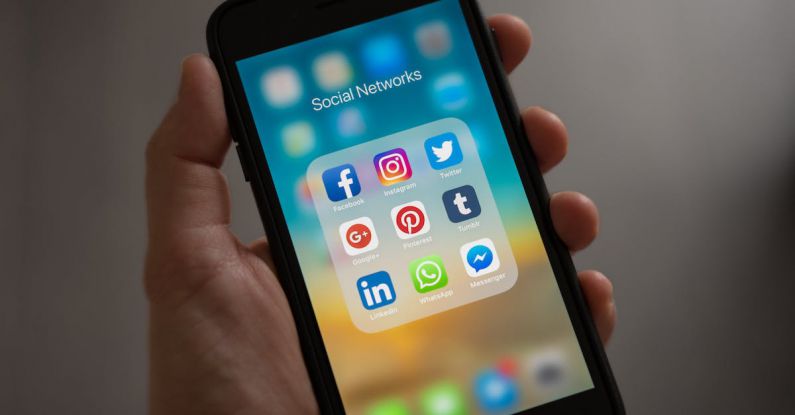
Social media has become an integral part of our daily lives, with millions of people around the world using platforms like Facebook, Instagram, and Twitter to connect, share, and discover. But beyond its role as a means of communication, social media has also had a profound impact on our buying habits. In this article, we will explore the ways in which social media has influenced our consumption patterns and how businesses have adapted to this new landscape.
The Rise of Influencer Marketing
One of the most significant ways in which social media has influenced our buying habits is through the rise of influencer marketing. Influencers, individuals who have built a following on social media platforms, have become powerful voices in shaping consumer preferences. By showcasing products and endorsing brands, influencers have the ability to influence their followers’ purchasing decisions.
Influencer marketing has proven to be highly effective, with studies showing that consumers are more likely to trust recommendations from influencers than traditional advertisements. This has led businesses to allocate a significant portion of their marketing budgets to collaborating with influencers, as they recognize the power of social media in reaching and engaging with their target audience.
The Impact of User-Generated Content
Another way in which social media has influenced our buying habits is through the proliferation of user-generated content. Platforms like Instagram and YouTube have given individuals the ability to create and share content about their experiences with products and services. This user-generated content has become a valuable resource for consumers when making purchasing decisions.
By seeing real people using and reviewing products, consumers can get a more honest and authentic perspective compared to traditional advertisements. This has led to a shift in consumer behavior, with many people relying on user-generated content to inform their purchasing decisions. Businesses have taken notice of this trend and have begun to leverage user-generated content to build trust and credibility with their audience.
The Power of Social Proof
Social media has also influenced our buying habits through the concept of social proof. People tend to look to others for guidance when making decisions, and social media provides a platform for individuals to share their experiences and opinions. When we see our friends or influencers that we trust endorsing a product or service, we are more likely to consider it as a viable option.
This reliance on social proof has created a new dynamic in the consumer landscape. Businesses are now focused on building a strong online presence and cultivating positive relationships with their customers. By engaging with their audience and encouraging them to share their experiences, businesses can leverage the power of social proof to attract new customers and retain existing ones.
The Shift to Online Shopping
Finally, social media has played a significant role in the shift to online shopping. With the rise of e-commerce platforms such as Amazon and the increasing accessibility of online stores, consumers now have the ability to browse and purchase products from the comfort of their own homes. Social media has further facilitated this shift by providing a platform for businesses to showcase and promote their products directly to their audience.
Through targeted advertisements and strategic partnerships with influencers, businesses can reach a wide range of potential customers and drive traffic to their online stores. This has resulted in a significant increase in online sales and has forced businesses to adapt to this new reality by investing in their online presence and optimizing their e-commerce platforms.
In conclusion, social media has had a profound influence on our buying habits. From the rise of influencer marketing to the impact of user-generated content and the power of social proof, social media has reshaped the way we discover, evaluate, and purchase products and services. As businesses continue to adapt to this new landscape, it is clear that social media will remain a powerful force in shaping consumer behavior.