In recent years, there has been a growing trend towards ethical fashion, with consumers becoming more conscious about the impact their purchases have on the environment and on workers in the fashion industry. This shift towards sustainability has extended to the world of jewelry, with many consumers now seeking out ethical alternatives to traditional jewelry brands. But can you find ethical jewelry that’s still fashionable? The answer is a resounding yes!
Ethical jewelry refers to jewelry that has been produced in a way that is environmentally and socially responsible. This means that the materials used to make the jewelry are sourced in a sustainable manner, workers are paid fair wages, and there is no exploitation or harm caused to people or the planet throughout the production process.
Sustainable Materials
One of the key elements of ethical jewelry is the use of sustainable materials. Traditional jewelry often relies on precious metals and gemstones that are mined in environmentally damaging ways and can have serious social and human rights implications. However, ethical jewelry brands are turning to alternative materials that have a lower impact on the planet. For example, some brands are using recycled metals, such as recycled gold or silver, which reduces the need for new mining. Others are using innovative materials like lab-grown diamonds or gemstones, which have a lower carbon footprint and do not contribute to the issues associated with traditional mining.
What Are the Best Recycled Products on the Market?
Fair Trade Labor
Another important aspect of ethical jewelry is ensuring fair trade and labor practices. This means that the workers involved in the production of the jewelry are paid fair wages, work in safe conditions, and are not subject to exploitation. Ethical jewelry brands often work directly with artisans and small-scale producers, cutting out middlemen and ensuring that workers receive a fair share of the profits. By supporting these brands, consumers can be confident that their purchase is not contributing to the exploitation of workers in the jewelry industry.
Stylish Designs
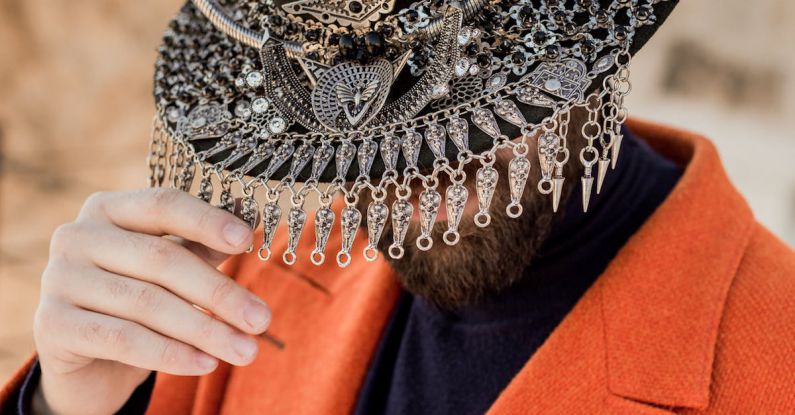
One common misconception about ethical jewelry is that it lacks the style and glamour of traditional jewelry. However, this couldn’t be further from the truth. Ethical jewelry brands are embracing innovative and contemporary designs that are on par with, if not better than, traditional jewelry brands. From minimalist and modern pieces to statement and bohemian styles, there is a wide range of fashionable options available. Ethical jewelry brands are also often more transparent about the design process, allowing consumers to learn about the inspiration behind each piece and the craftsmanship involved.
Consumer Awareness
While there are many ethical jewelry brands out there, it’s important for consumers to do their research and make informed choices. Look for certifications such as Fairtrade or the Responsible Jewellery Council, which ensure that the brand meets certain ethical standards. Additionally, read reviews and testimonials from other customers to get a sense of the brand’s reputation and commitment to ethical practices.
Understand What “Ethical Jewelry” Really Means
The term ethical jewelry can mean different things depending on the brand.
It may refer to:
- Responsibly sourced precious metals
- Recycled gold and silver
- Lab-grown diamonds
- Fair labor practices
- Reduced environmental impact
- Transparent supply chains
Before purchasing, review the company’s sourcing policies instead of relying solely on marketing claims.
Lab-Grown Diamonds Are Becoming More Popular
Lab-grown diamonds have become a mainstream option for shoppers seeking a lower environmental impact.
They offer several advantages:
- Identical chemical composition to mined diamonds
- Lower demand for mining
- Consistent quality
- Often more affordable prices
- Greater transparency
Although they are created in laboratories rather than mined, they are real diamonds rather than imitations.

Recycled Precious Metals Reduce Environmental Impact
Many ethical jewelry brands now use recycled:
- Gold
- Silver
- Platinum
Recycling precious metals reduces the need for additional mining while preserving the quality and durability of the finished jewelry.
Timeless Designs Are Often the Most Sustainable
Fast-changing fashion trends encourage frequent purchasing.
Choosing classic jewelry styles can help reduce unnecessary consumption.
Timeless pieces include:
- Simple gold or silver chains
- Stud earrings
- Solitaire rings
- Tennis bracelets
- Pearl jewelry
- Minimalist pendants
Versatile designs are more likely to remain part of your wardrobe for many years.
Quality Often Matters More Than Quantity
Investing in one well-made piece may be more sustainable than purchasing multiple inexpensive accessories.
When evaluating jewelry, consider:
- Material quality
- Craftsmanship
- Durability
- Repair options
- Warranty
- Long-term wearability
A high-quality piece that lasts for decades generally has a lower environmental impact than frequently replacing lower-quality items.
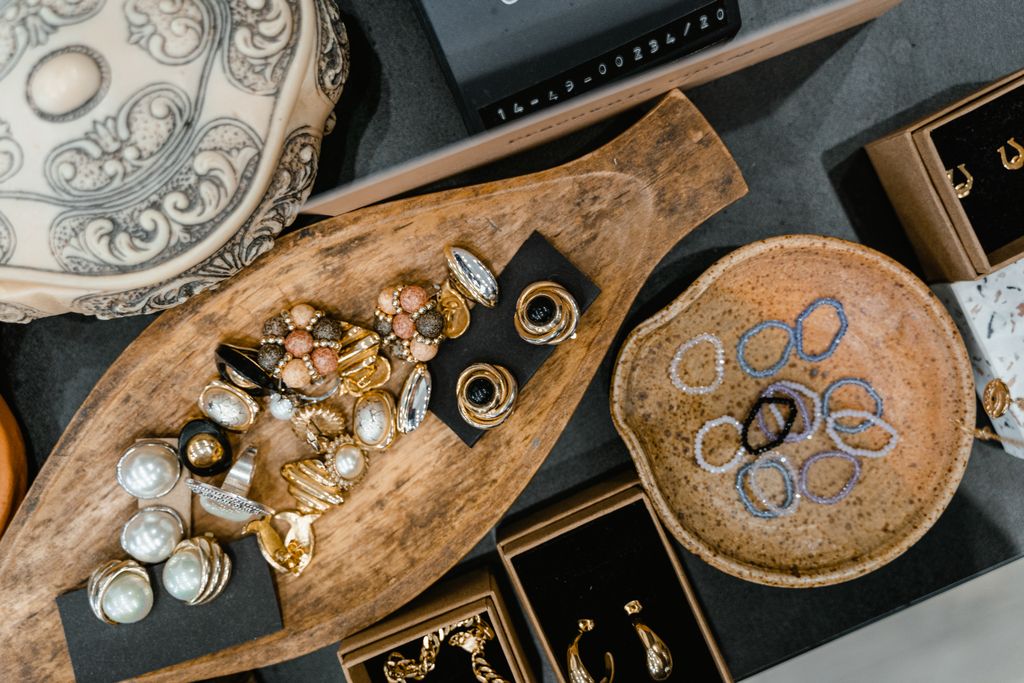
Vintage and Pre-Owned Jewelry Is Another Ethical Choice
Buying vintage or pre-owned jewelry extends the life of existing products.
Benefits include:
- Reduced demand for new mining
- Unique designs
- Lower environmental impact
- Potential cost savings
- Historic craftsmanship
Second-hand jewelry is becoming increasingly popular among environmentally conscious consumers.
Ask Questions Before Buying
Reputable ethical jewelry brands are usually transparent about their practices.
Helpful questions include:
- Where were the materials sourced?
- Are recycled metals used?
- Are gemstones traceable?
- How are workers compensated?
- What sustainability initiatives does the company support?
Brands that openly answer these questions often demonstrate a stronger commitment to responsible business practices.
Beware of Greenwashing
Some companies promote products as “ethical” or “sustainable” without providing meaningful evidence.
Look for:
- Detailed sourcing information
- Independent certifications
- Supply chain transparency
- Sustainability reports
- Clear environmental commitments
Specific information is generally more reliable than broad marketing claims.
Final Thoughts
Ethical jewelry no longer requires sacrificing style or quality. Advances in recycled precious metals, lab-grown diamonds, transparent sourcing, and responsible manufacturing have made it easier than ever to find beautiful jewelry that aligns with personal values.
Rather than focusing solely on trends, consider craftsmanship, durability, transparency, and long-term wearability. Choosing well-made pieces from brands committed to responsible practices allows you to build a jewelry collection that is both fashionable and more environmentally conscious.
Frequently Asked Questions
Is ethical jewelry more expensive?
Not always. Some ethical jewelry costs more because of responsible sourcing and craftsmanship, while lab-grown diamonds and recycled materials may actually reduce prices.
Are lab-grown diamonds real?
Yes. Lab-grown diamonds have the same chemical, physical, and optical properties as mined diamonds.
Is vintage jewelry considered sustainable?
In many cases, yes. Purchasing vintage or pre-owned jewelry extends the life of existing products and reduces demand for newly mined materials.
How can I verify whether jewelry is ethically sourced?
Look for transparent sourcing information, independent certifications, responsible business practices, and detailed sustainability reporting rather than relying only on marketing claims.
Is recycled gold lower quality?
No. Recycled gold has the same physical properties and durability as newly mined gold once it has been properly refined.